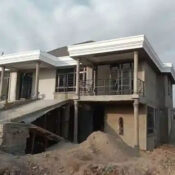
Budgeting Effectively for a Residential Construction Project
Creating a realistic budget is one of the most critical steps in building a home. A good budget accounts for design costs, approvals, materials, labor, and finishing.
Many projects fail because owners underestimate costs or ignore price fluctuations. Including a contingency fund helps manage unexpected expenses during construction.
Using well-designed house plans makes it easier to estimate costs accurately. Effective budgeting ensures the project is completed without financial strain.
Practical Advice for Effective Construction Budgeting
Effective construction budgeting starts with clearly defining the scope of your project. Knowing the house size, layout, and level of finishes helps prevent unexpected changes later. Using complete and well-prepared house plans allows for more accurate cost estimates. Always base your budget on current market prices rather than assumptions.
A good budget should be broken down into major categories such as design, approvals, materials, labor, and finishes. This makes it easier to track spending and control costs during construction. Materials usually consume the largest share of the budget, so careful selection is essential. Do not overlook indirect costs like utilities, transport, and site security.
Including a contingency fund is critical for any construction project. Setting aside 10 to 15 percent of the total cost helps manage price fluctuations and unforeseen challenges. Without contingency, even small issues can cause costly delays. This safety buffer protects both quality and timelines.
Regular monitoring of expenses keeps the project financially healthy. Tracking payments and avoiding frequent design changes helps prevent budget overruns. Clear communication with contractors ensures costs remain transparent. Consistent oversight is key to completing your project within budget.